
The Most Impactful AI Tools of Today — And the Emerging Ones That Stood Out

Artificial Intelligence is no longer an experimental technology or a future promise. Today, AI tools are embedded into core business workflows, reshaping how organizations operate, hire, build products, and make decisions. From general-purpose AI platforms to highly specialized solutions, certain tools have emerged as industry standards — while others, less widely known, have gained rapid adoption by solving very specific problems exceptionally well.
In this article, we take a deeper look at the most impactful AI tools in use today, explore emerging and specialized AI solutions gaining momentum, and analyze why these tools succeeded in an increasingly crowded AI landscape.
Leading General-Purpose AI Platforms Driving Adoption at Scale
General-purpose AI tools form the foundation of today’s AI ecosystem. Their broad applicability, ease of use, and continuous improvement have made them indispensable across industries.
AI Assistants and Multimodal Models
Conversational and multimodal AI platforms such as ChatGPT, Claude, Gemini, and similar large language models are among the most widely adopted AI tools globally. These platforms support a wide range of tasks, including:
- Content creation and editing
- Research, summarization, and knowledge retrieval
- Data interpretation and reasoning
- Multimodal inputs combining text, images, and code
Their success lies in their versatility, accessibility, and ability to integrate seamlessly into browsers, productivity suites, and enterprise systems through APIs. As a result, they often act as the intelligence layer behind many other AI-powered products.
AI Coding Assistants and Developer Tools
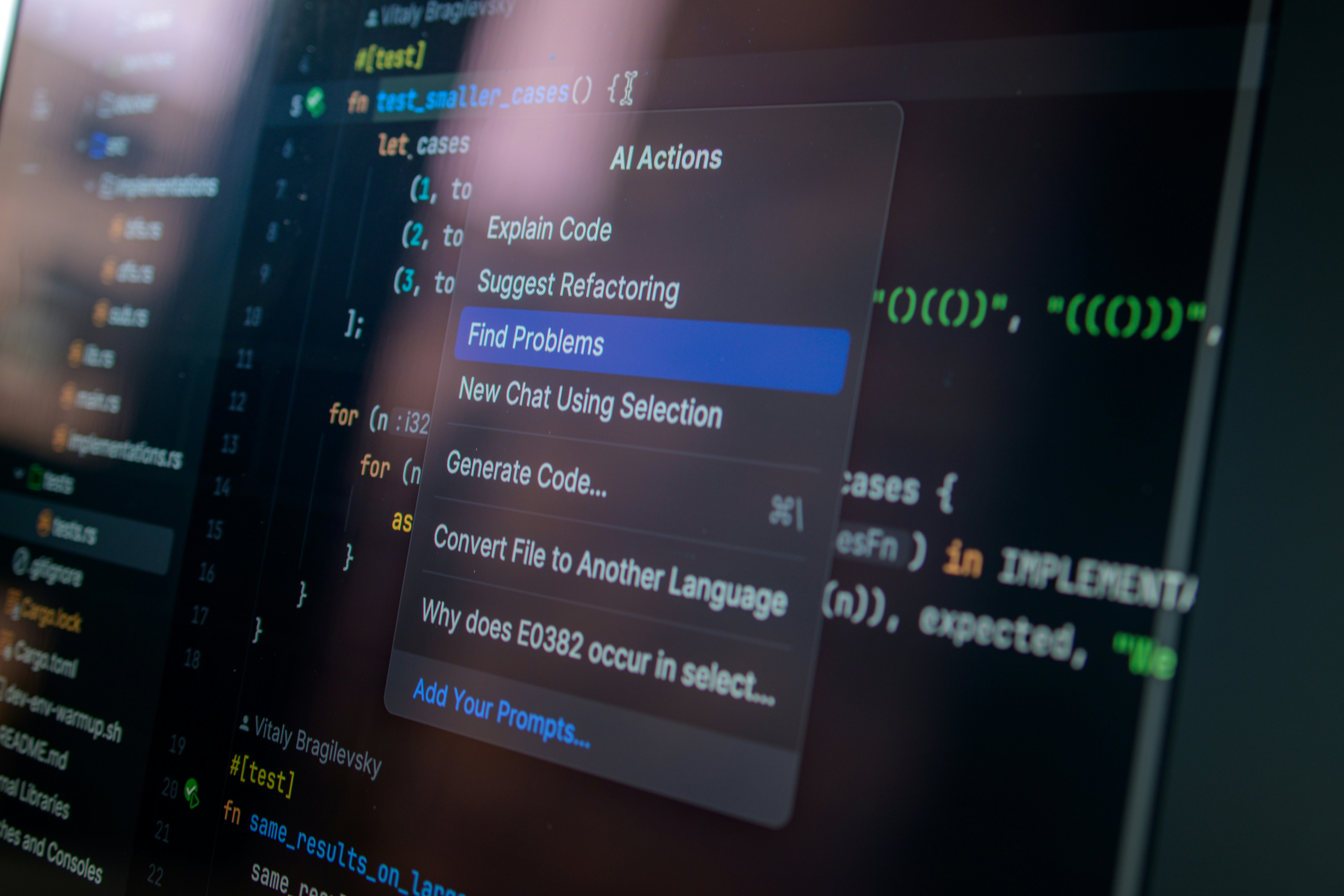
AI has also become deeply embedded in software development workflows. Tools such as GitHub Copilot, Tabnine, and similar AI coding assistants help developers write code faster, reduce errors, and improve overall software quality.
These tools provide:
- Real-time code suggestions
- Automated function generation
- Bug detection and refactoring assistance
- Support across multiple programming languages
By acting as intelligent collaborators, AI coding tools significantly increase developer productivity and accelerate innovation cycles, making them essential for modern engineering teams.

Sector-Specific AI Solutions Gaining Strong Adoption
While general-purpose AI tools dominate headlines, sector-specific AI platforms are driving some of the most meaningful transformations by addressing industry-specific challenges with greater precision.
AI in Talent Acquisition and Recruiting
In recruiting and talent acquisition, AI has evolved far beyond resume parsing. Platforms like Vitae.AI leverage advanced AI to source, screen, and engage candidates at scale, transforming how hiring teams operate.
AI-driven recruiting platforms typically enable:
- Semantic candidate search across large talent pools
- Automated, multi-channel outreach (email, LinkedIn, SMS)
- Candidate scoring and ranking based on skills and relevance
- Integration with ATS and hiring workflows
These tools succeed because they reduce time-to-hire, improve candidate quality, and allow recruiters to focus on high-value, human-centric work rather than repetitive tasks.
AI for Business Productivity and Workflow Automation
AI tools designed for productivity and workflow automation are also experiencing widespread adoption. Platforms that combine AI with task management, documentation, and automation help teams streamline operations and extract insights faster.
Common use cases include:
- AI-assisted project planning and prioritization
- Automated reporting and summarization
- Intelligent task routing and workflow orchestration
- AI-powered research and decision support
These tools stand out because they integrate directly into existing workflows, minimizing disruption while delivering immediate productivity gains.
Emerging and Specialized AI Tools Gaining Momentum
Beyond well-known platforms, emerging and specialized AI tools are gaining traction by focusing on clearly defined use cases. Rather than competing on scale, these tools differentiate themselves through precision, speed, and practical value.
Many of these platforms succeed because they:
- Address overlooked or highly specific workflows
- Offer strong integrations with existing tech stacks
- Require minimal onboarding
- Deliver measurable results quickly
In many cases, these tools grow rapidly within specific teams or industries before expanding more broadly — proving that impact is not always tied to brand recognition alone.

Why These AI Tools Succeeded
Across all categories, the most impactful AI tools share common characteristics:
1. Usability
Intuitive interfaces and low learning curves accelerate adoption across teams.
2. Seamless Integration
Tools that connect easily with existing systems — such as ATS, CRMs, IDEs, or productivity platforms — deliver greater long-term value.
3. Purpose-Driven Innovation
Successful AI tools focus on solving real business problems, not showcasing technology for its own sake.
4. Scalable and Flexible Pricing
Usage-based models, freemium tiers, or open-source foundations lower barriers to entry.
5. Strong Ecosystems and Communities
Active communities, regular updates, and developer support help tools evolve and maintain trust.
The AI tools shaping today’s landscape are not defined solely by popularity, but by practical impact and sustained adoption. From general-purpose AI assistants to specialized recruiting platforms like Vitae.AI and emerging niche solutions, the most successful tools are those that integrate seamlessly into workflows and deliver real results.
As AI adoption continues to mature, organizations that focus on strategic implementation rather than experimentation alone will gain a lasting competitive advantage.
