
Nano Banana: The Image Model Redefining Visual AI Inside Google Gemini

When Google DeepMind introduced its next-generation Gemini ecosystem, one name unexpectedly captured global attention: Nano Banana.
Unlike most AI model names rooted in dense technical terminology, Nano Banana stands out — playful, memorable, and surprisingly emblematic of a deeper technological shift.
But beyond the name, Nano Banana is a high-performance image-generation and editing model integrated into Gemini, marking a new era of intuitive, multimodal visual creation.
This article explains what Nano Banana is, how it works, why it became a global topic this week, where its unique name came from, and what users should consider when using it responsibly.
1. What Is Nano Banana?
Nano Banana is Google’s official image-generation and image-editing model built inside the Gemini ecosystem.
It exists in two versions:
- Nano Banana (Gemini 2.5 Flash Image) — the lightweight, fast, efficient version
- Nano Banana Pro (Gemini 3 Pro Image) — the advanced, high-fidelity, higher-reasoning version
Because it is integrated directly with Gemini, Nano Banana benefits from:
- multimodal understanding
- natural language editing
- iterative conversational refinement
- safety systems (watermarks + SynthID)
Its purpose is simple: allow users to create and edit images using natural language, without needing complex tools or professional design expertise.
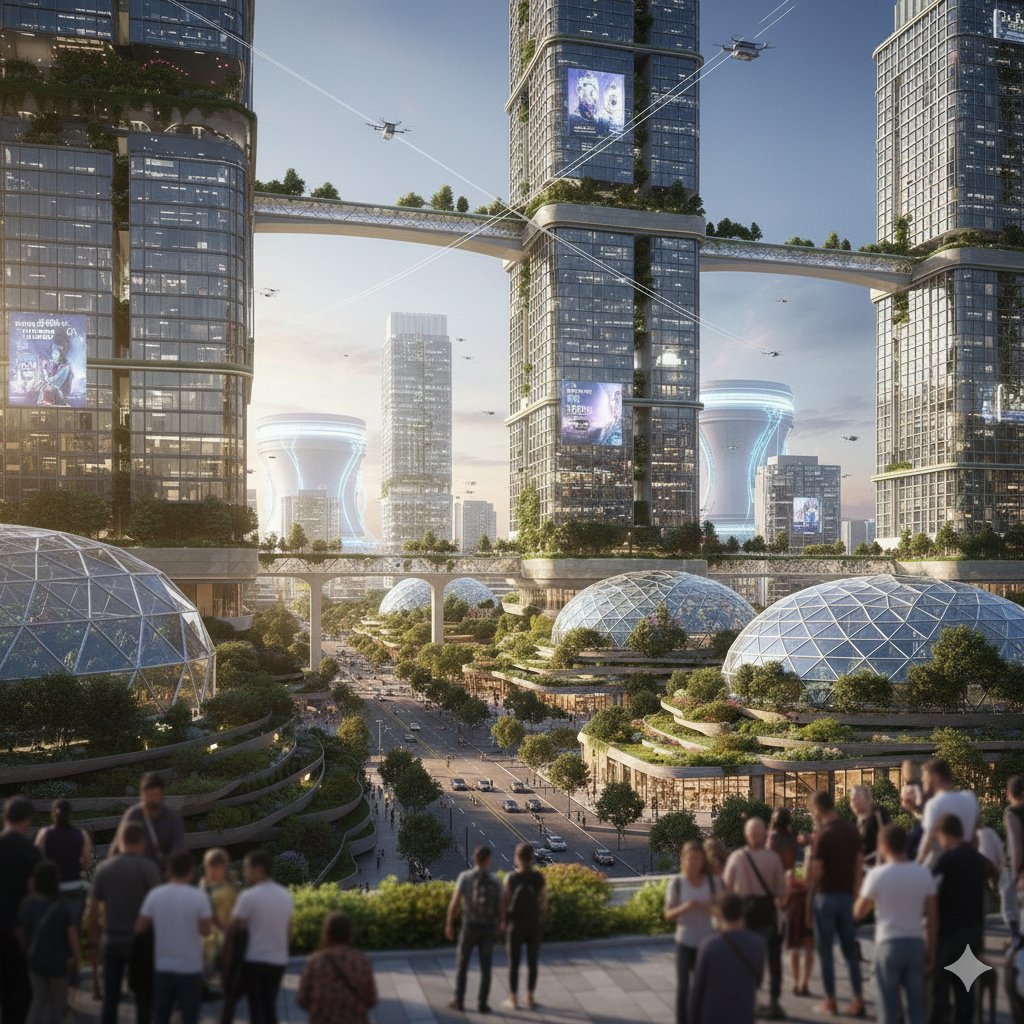
2. How Nano Banana Works
Nano Banana allows users to generate or edit images simply by describing what they want.
Core Capabilities
- Text-to-Image Generation
Create entirely new visuals based on descriptions — from creative concepts to professional mockups.
- Image-to-Image Editing
Upload a photo and ask Nano Banana to modify elements such as environments, lighting, styles, or objects.
- Multi-Image Fusion
Blend elements from multiple reference images into a single coherent output.
- Subject Consistency
One of its biggest breakthroughs: maintaining the same person, character, or object across multiple generated images.
This consistency is especially strong in Nano Banana Pro, thanks to Gemini 3 Pro’s enhanced reasoning.
3. Why Is It Called “Nano Banana”?
The name is one of the most discussed elements of the model — and the truth is more grounded than the myths circulating online.
a) “Nano” reflects its efficiency
The model originated from the lightweight Gemini Flash architecture.
“Nano” refers to:
- fast generation
- low latency
- compact design optimized for efficiency
b) “Banana” began as an internal codename
Google has a long history of using playful internal names for early AI and research models.
“Banana” was an internal placeholder name for the image model that eventually evolved into Gemini Flash Image.
When the name appeared in early documentation and developer previews, the community quickly embraced it — and the name stuck.
c) Google officially adopted the name publicly
In a later announcement, Google explicitly referred to the upgraded model as Nano Banana Pro, confirming that the internal nickname had become part of the model’s identity.
In short:
- “Nano” = compact, fast, efficient
- “Banana” = internal codename that became culturally iconic
4. What’s New in Nano Banana Pro
Nano Banana Pro, built on Gemini 3 Pro, introduced major enhancements beyond the original Flash Image model.
Key Improvements
- Higher realism — more accurate lighting, shadows, skin texture, and materials
- Better world knowledge — improved diagrams, infographics, and factual visuals
- Enhanced text rendering — clearer, more accurate text inside generated images
- Refined editing controls — better handling of angles, illumination, and scene composition
- Higher resolution outputs — including 4K-grade imagery depending on usage context
- More stable multi-turn editing — respond iteratively to user feedback within a conversation
Nano Banana Pro is effectively the reasoning-enhanced, visually superior version of the original Nano Banana.

5. Why Nano Banana Was So Talked About This Week
a) Release of Nano Banana Pro
The global announcement introduced major upgrades and attracted significant media and community attention.
b) Viral hyper-realistic examples
Creators shared images with near-photographic realism — some so convincing that they sparked debates about authenticity.
c) Broader discussion of AI safety
As image models improve, concerns grow regarding:
- misinformation
- deepfake risks
- cultural bias
- content authentication
This kept Nano Banana in headlines.
d) Temporary rate limits
Due to extremely high global usage, free and API users experienced temporary throttling, further elevating public interest.
6. Responsible Use: What Users Should Keep in Mind
1. Bias and Representation
As with any generative model, Nano Banana may reflect unintentional biases from training data.
Reviewing outputs critically is essential.
2. Misinformation and Hyper-Realism
Generated images can look indistinguishable from real photos.
Google mitigates this with:
- visible watermarks in the Gemini app
- SynthID, an invisible cryptographic watermark embedded in pixels
3. Usage Limits
High-fidelity models like Nano Banana Pro may have rate limits depending on plan and API tier.
4. Likeness and Copyright Caution
Even without explicit instructions, generated faces may resemble real people unintentionally.
For commercial use, content should be checked for likeness issues.
5. Ethical Deployment
Deepfake-style misuse is strictly prohibited.
Professional users must ensure transparency and ethical compliance.
7. Why Nano Banana Matters
Nano Banana represents more than a charming name:
A shift toward intuitive, conversational creativity
Anyone can create or edit images using natural language.
Efficiency at scale
Proof that high-quality visual AI doesn’t require massive infrastructure.
Integration of reasoning and vision
Nano Banana Pro shows how image generation benefits from multimodal intelligence — producing diagrams, infographics, and structured visual explanations, not just art.
Approachability
The playful name lowered the barrier to adoption, making the technology more relatable to a wider audience.
Nano Banana — and the upgraded Nano Banana Pro — represent a major step forward in making visual AI:
- more accessible
- more capable
- more intuitive
- more integrated with multimodal reasoning
The name may be whimsical, but the technology behind it is serious, sophisticated, and already reshaping how we create and interact with images.