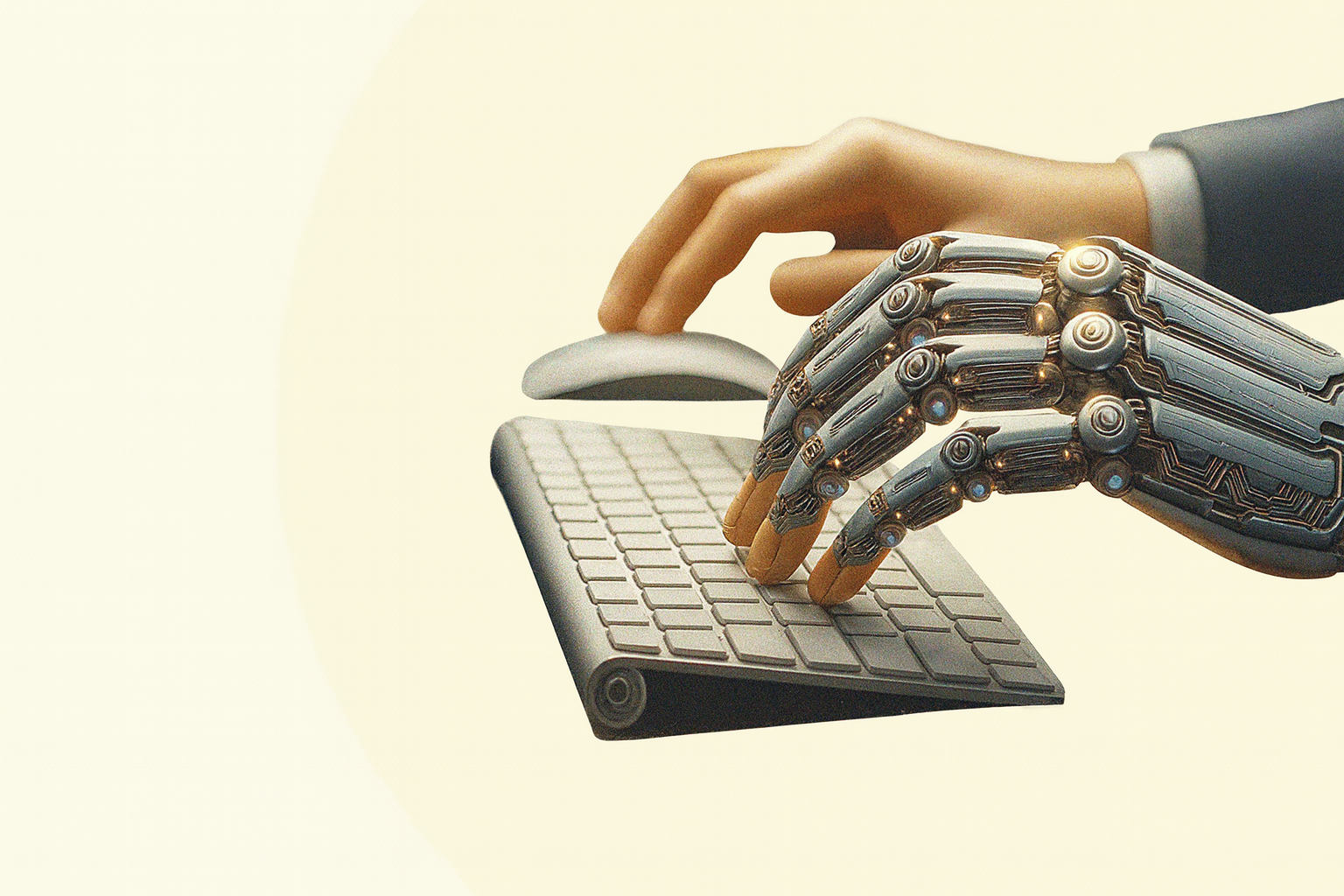
From Hype to Reality: How AI Is Transforming Daily Life and Redefining Human Productivity

Artificial Intelligence (AI) has graduated from being an exciting buzzword in tech circles to a cornerstone of everyday life. What once seemed like futuristic speculation is now tangible reality — influencing how we work, create, learn, and even manage our personal routines. Today’s AI is not just transforming industries but deeply enriching daily experiences, reshaping personal productivity, and redefining human potential beyond the corporate sphere.
AI Beyond the Boardroom: Everyday Impact
AI’s integration into personal life is now unmistakable. From smart assistants like Siri and Alexa managing our schedules, to personalized recommendations on our favorite streaming or shopping platforms, AI influences countless micro-decisions every day. These systems use advanced machine learning and predictive analytics to learn from patterns, making each interaction smarter and more intuitive.
The transition from experimental tools to indispensable companions highlights how AI has exceeded corporate use:
- Smart Home Automation: Voice-activated devices adjust lighting, manage climate, and secure homes with predictive alerts.
- Communication and Planning: AI-powered scheduling tools optimize daily calendars by learning user preferences.
- Health and Fitness: Wearable devices now use AI to tailor fitness plans and monitor health patterns in real time.
These applications underscore that AI is no longer confined to labs or enterprises — it’s embedded in the routines of millions.
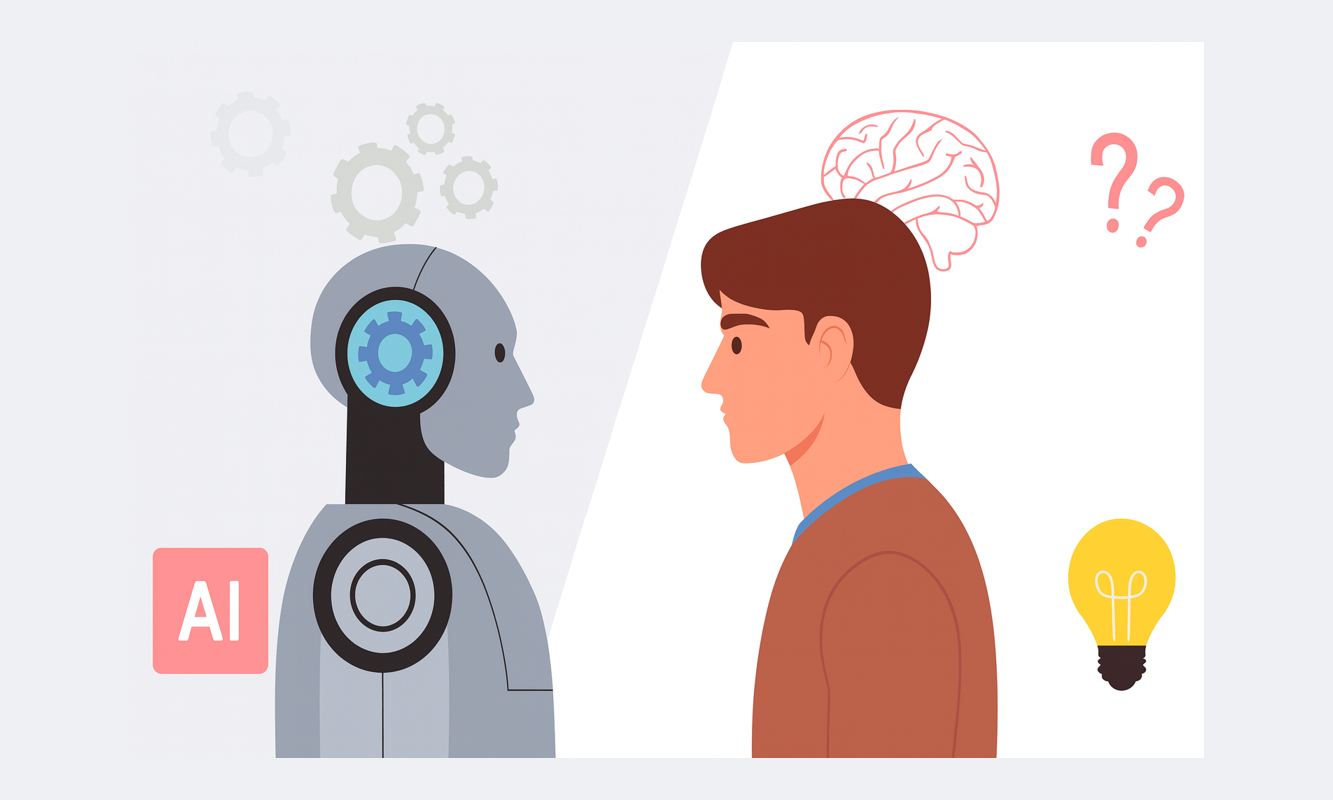
AI for Personal Productivity and Time Management
One of AI’s most transformative impacts is how it enhances personal productivity:
Automation of Routine Tasks
AI tools can automate repetitive tasks like email sorting, calendar coordination, and data entry. This not only saves time but also reduces cognitive overhead, helping users focus on strategic thinking and creativity.
Smart Prioritization and Focus
AI-driven apps can analyze patterns in your workflow and propose more efficient task lists or focus intervals, enabling better time allocation without heavy manual planning.
Adaptive Reminders and Contextual Assistance
Whether it’s suggesting the best time to schedule a meeting or reminding you to take a break, AI acts as a digital productivity partner that anticipates your needs.
This shift — from managing tasks manually to intelligent task orchestration — is a defining trend in digital life optimization.
AI-Driven Creativity: Inspiration Meets Execution
AI is unleashing creative potential across disciplines:
- Writing and Content Creation: Generative AI helps writers draft articles, brainstorm ideas, or even refine tone and structure.
- Design and Visual Arts: Tools can generate concept art, logos, and layouts, accelerating the ideation phase.
- Music and Video Production: AI assists in generating soundtracks, editing footage, and even suggesting narrative cuts.
Far from replacing human creativity, these tools serve as co-creators, amplifying human skills and accelerating creative workflows.
The Rise of Personal AI Agents
Perhaps the most groundbreaking trend in consumer technology is the rise of personal AI agents — autonomous assistants capable of learning preferences, executing tasks proactively, and managing complex routines.
These agents go beyond reactive chatbots by:
- Syncing with personal calendars, finances, health data, and smart devices.
- Anticipating needs and making proactive suggestions.
- Acting as trusted digital copilots for daily decision-making.
This represents a new paradigm: from passive tools to autonomous partners that reshape how individuals interact with the digital world.

Changing Habits, Digital Routines, and Lifestyle Enhancements
With AI embedded into daily tools, digital habits are evolving rapidly:
- People are more inclined to rely on AI for planning, reminders, and decision-making.
- Adaptive learning platforms personalize the pace and style of education.
- Consumers experience tailored digital journeys in shopping, entertainment, and travel.
This widespread adoption is leading to digital routines that feel natural, intuitive, and increasingly indispensable.
Benefits vs. Risks: A Balanced Look at Consumer AI Adoption
While the benefits of consumer AI are undeniable, responsible adoption requires awareness of potential challenges:
Benefits
- Increased Productivity: Automating routine tasks amplifies focus on meaningful work.
- Enhanced Personalization: AI tailors services and experiences to individual preferences.
- Accessibility Improvements: Tools now help people with disabilities engage more fully with technology.
Risks
- Privacy and Data Security: AI systems rely on vast personal data, raising valid privacy concerns.
- Algorithmic Bias: Unchecked AI can perpetuate bias with real social consequences.
- Over-reliance and Cognitive Skills: Excessive dependence on AI might erode critical thinking and independent problem-solving.
A New Reality: AI as a Daily Partner
The widespread adoption of AI is not a future scenario — it’s happening now. Consumers across ages and geographies are integrating AI into their workflows, routines, and creativity. As these technologies continue to evolve, the challenge remains building trustworthy, transparent, and ethical systems that enhance human capability without compromising autonomy.
AI is transforming daily life not merely by performing tasks but by enabling humans to focus on what matters most: innovation, creativity, and meaningful engagement. From personal productivity tools to autonomous AI agents, the era of intelligent living has truly begun.